

Croatia Travel Guide
Croatia packs a lot into a small country: medieval stone towns on the Adriatic, over a thousand islands, and an inland side of national parks, wine hills and café cities. Use this page to choose the right regions, understand travel times, and build a route that fits your pace.
Starting in the far south? Pair this overview with our Dubrovnik Travel Guide for local tips, transport and day trips.
Croatia quick facts
- Capital: Zagreb
- Language: Croatian (English is widely spoken in tourist areas)
- Currency: Euro (€ / EUR)
- Time zone: Central European Time (CET) and Central European Summer Time (CEST)
- Schengen: Croatia is in the Schengen Area (entry rules depend on nationality)
- Electricity: 230V / 50Hz, Type F ("Schuko") sockets
- Country calling code: +385
- Emergency number: 112 (free, 24/7)
Explore a unique variety of regions in Croatia
From walled coastal cities and island ferries in Dalmatia to Istria’s hill towns and food scene, plus Zagreb’s café culture and green inland escapes, Croatia rewards travellers who plan by region. Use the guides below to choose where to base yourself, what to prioritise, and how to connect your route.
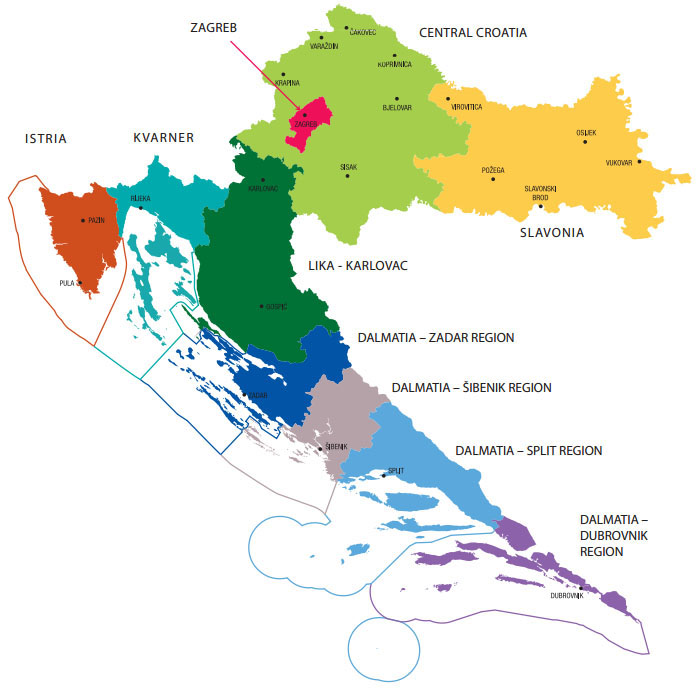
Dubrovnik Region - Dalmatia
A true jewel of Croatian cultural heritage
Walled cities, island day trips, and some of the best coastal scenery in the country. Use Dubrovnik as a base, then add Cavtat, Korčula, Mljet, Pelješac wine country, and Konavle for a slower pace.
Some useful guides
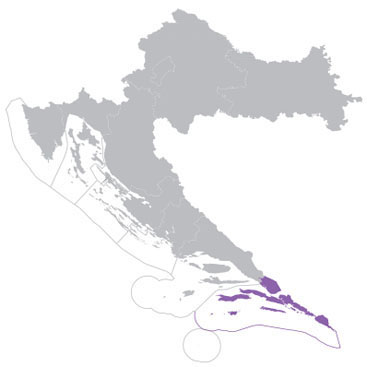
Split Region - Dalmatia
Three major landmarks under UNESCO protection
A classic base for Central Dalmatia: Split, nearby coastal towns, and easy links to islands like Hvar, Brač, and Vis. Great if you want a mix of history, beaches, and island hopping.
Some useful guides
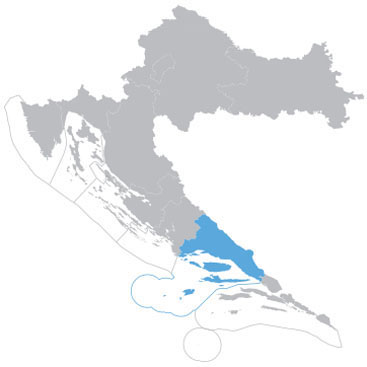
Zadar Region - Dalmatia
The origin of early Croatian culture
Historic Zadar plus a dense cluster of islands and coastal escapes. A strong choice for travellers who want island variety with easier access from the north. Five of the six sites are protected as World Heritage by UNESCO.
Some useful guides
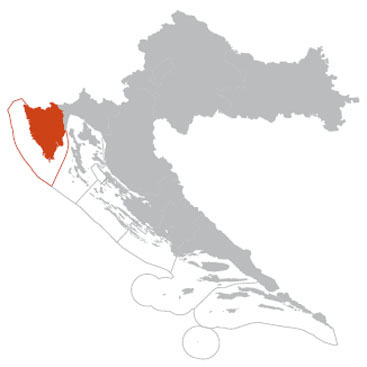
Istria
Green landscapes, charming towns, and a glittering historic coast.
The Istrian peninsula, located on the Western edge of Croatia, where the Mediterranean Sea most deeply retracts into the European mainland, has always been a special place. Istria (Istra) is the most visited county in Croatia.
Some useful guides
- Rovinj Travel Guide | Poreč Travel Guide (Croatia Insider)
- The best villas in and around Rovinj | Hotels and apartments in Rovinj | Best budget hotels and apartments in Rovinj
- Rovinj Ferry and timetables
- Travelling by bus to Rovinj
- Flights to Rovinj
- Best things to see and do in Rovinj
- Best day trips from Rovinj
- Rovinj Travel Guide from Croatia Insider
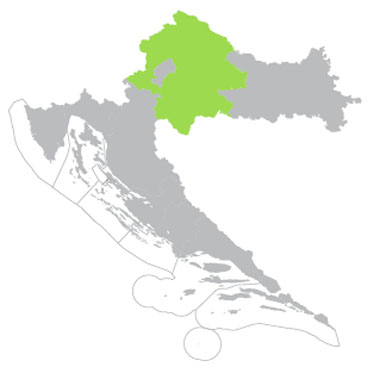
Zagreb Region - Central Croatia
Croatia’s vibrant capital, green inland region dotted with medieval castles, spa towns and rolling wine hills.
Zagreb Region is located at the crossroads of major routes between Central Europe and the Adriatic coast, with Zagreb as a rich cultural and powerful economic and business center.
Some useful guides
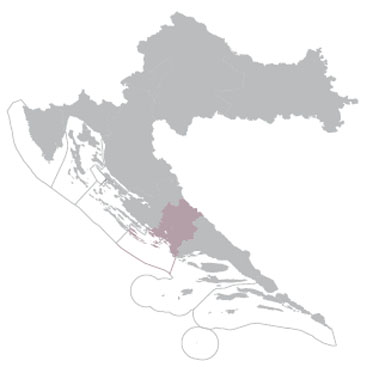
Šibenik Region - Dalmatia
Mediterranean architecture that marked the world
The Dalmatia - Šibenik Region is known for its national parks Krka and Kornati. The two most important historical cities are Šibenik situated by the sea and the royal town of Knin in the interior of the Dalmatian hinterland. The Kornati archipelago consists of the largest number of islands in all the Adriatic region.
Some useful guides
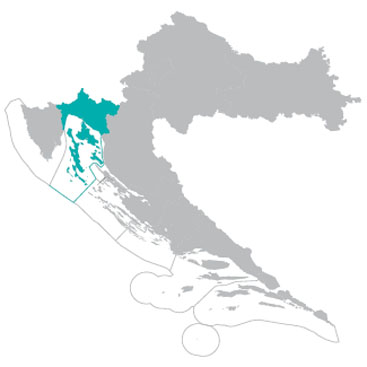
Kvarner Region
The wonder of Central Europe and the Mediterranean
Within Croatia, a culturally and naturally very diverse country, one of the most diverse parts is the Kvarner region, which is part of the Primorje - Gorski Kotar County. This region covers the coastal area of the Kvarner Bay along with numerous islands and most of the small historic province of the mountainous Gorski Kotar.
Some useful guides
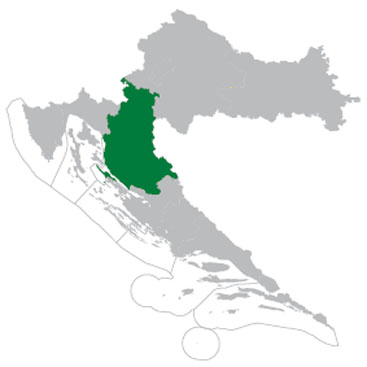
Lika and Karlovac Region
An area with a rich warrior past
The region of Lika - Karlovac is the largest of all the regions that lead out to the Adriatic Sea, and it is the biggest and the most sparsely populated part of Croatia. In addition to crude nature, the sparse population of this area has been influenced by its turbulent history, and frequent exposure to a number of wartime devastations, especially in times of battle between the Christian Europe and the Ottoman Empire.
Slavonia
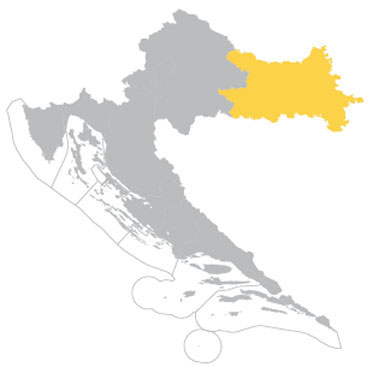
Echoes of Tradition and Riverlands
Where the Danube meets open skies and vineyards roll across painterly landscapes, Slavonia reveals the quieter magic of eastern Croatia, an old Pannonian world of legends, noble castles, and the remarkable Vučedol culture
Best time to visit Croatia
Croatia works in every season, but your ideal timing depends on what you want most: swimming and island time (summer), comfortable sightseeing and hiking (spring/autumn), or quiet city breaks and lower prices (winter). The Adriatic coast follows a classic Mediterranean rhythm, while inland Croatia is more continental, so conditions can feel very different on the same day.
Most popular months: June to August is peak season along the coast, with the biggest crowds and the highest demand for accommodation and ferries.
Best all-round (weather + fewer crowds): May and September through October are widely considered the sweet spot for warm days with a more relaxed feel.
Croatia by season
- Spring (March-May): Great for cities, road trips and national parks; temperatures are generally mild, and coastal towns start waking up before summer.
- Summer (June-August): Best for beaches, islands and nightlife, but expect heat and crowding in headline destinations (especially in July and August). Book ahead if you’re travelling on popular dates.
- Autumn (September-November): Warm early autumn is ideal for sightseeing and swimming without peak-season intensity; later autumn turns wetter, especially on the coast.
- Winter (December-February): Quiet on the islands and many coastal businesses run reduced hours, while inland Croatia can be cold. It’s best for city breaks, museums, food and a slower pace.
Dubrovnik note: if your Croatia route includes the far south, the official long-term averages for Dubrovnik sit around 9-10°C in January and ~25°C in July/August, which is why shoulder-season planning (April/May and September/October) is so popular for walking the city without midsummer heat.
How to get to Croatia
Croatia is easy to reach by air from across Europe, and it also works well as a road-trip destination if you are arriving by car or coach. Your best entry point depends on your route - Zagreb for inland and central Croatia, Split for the mid-coast and islands, and Dubrovnik for the far south and South Dalmatia.
By plane
Croatia has several international airports, and seasonal flight options expand significantly from late spring through early autumn. These airport guides help you choose the best arrival point for your itinerary:
- Zagreb Airport - best for Zagreb and inland routes
- Split Airport - strong for Central Dalmatia and ferries to islands
- Dubrovnik Airport - ideal for South Dalmatia and the far south
- Zadar Airport - useful for Northern Dalmatia and island connections
By car
Driving is a great option for flexible stops and inland routes, especially outside the busiest summer weeks. The trade-off is that historic centres (and island-based itineraries) can be more hassle than they are worth when you factor in parking and ferry logistics. If you plan to self-drive, start with Croatian motorways for toll-road basics and practical planning.
By bus
Long-distance buses are one of the most practical ways to move between Croatian cities, especially if you are travelling the coast or linking inland hubs. They are also a budget-friendly option for cross-border routes, but in peak summer the most popular departures can sell out and travel times can be longer due to traffic, so it pays to check timetables early and plan around realistic transfer windows.
If you are building a route around major transport hubs, these station guides make planning much easier: Zagreb Main Bus Station is the key gateway for inland Croatia and connections to other regions, Split Main Bus Station is the main interchange for Central Dalmatia (often combined with ferries to islands), and Dubrovnik Main Bus Station is the most important hub for the far south.
Tip: If you are transferring between bus and ferry in Split, aim for extra buffer time in summer. If you are travelling to or from Dubrovnik, remember that some routes are seasonal and some cross-border services can involve border delays.
By ferry from Italy
If you are combining Croatia with Italy, international ferries can be a useful alternative to flying. Routes and sailing frequency are often seasonal, so always confirm the timetable close to your travel date. These routes are the most common starting points:
- Split - Ancona ferry
- Zadar (Gazenica) - Ancona ferry
- Dubrovnik - Bari ferry (Jadrolinija)
- Split - Bari ferry
For Dubrovnik port tips and a broader overview of sailings, see Dubrovnik Ferry and timetables.
Getting around Croatia
Croatia looks compact on a map, but travel can be slower than you expect - coastal roads get busy in summer, ferries run on fixed schedules, and border crossings can add delays on some routes. The easiest way to stay relaxed is to choose 2-3 bases, then add day trips instead of changing hotels every night.
Buses
Buses are the backbone of intercity travel in Croatia, especially along the coast and between regional hubs. For station logistics, platforms and local tips, use Zagreb Main Bus Station, Split Main Bus Station, and Dubrovnik Main Bus Station.
If Dubrovnik is on your route, start with Travelling by bus for practical planning and common routes.
Ferries and catamarans
Island travel depends on ferries and fast catamarans. Schedules are seasonal and routes can be indirect, so build your plan around sailing times (not the other way around). For Dubrovnik-area planning, use Dubrovnik Ferry and timetables and book key departures early in peak season.
If you are combining Croatia with Italy, these pages cover the most common international lines: Split - Ancona, Zadar (Gazenica) - Ancona, Dubrovnik - Bari, and Split - Bari.
Port timing tip: In high season, arrive early for boarding, especially if you are travelling with a car.
Driving
A rental car gives you the most flexibility for inland Croatia, Istria, and multi-stop road trips. It is less useful if you are mostly visiting old towns (parking can be limited) or hopping between islands (ferries add cost and time). Croatia uses a toll motorway system, so you will pay based on distance, and you can use cash, cards, or electronic toll collection on many routes.
Before you go, read Croatian motorways for practical driving and toll-road basics.
Trains
Train travel can work well for some inland routes, but it is not the fastest option for most coastal itineraries. If you are considering rail, compare travel times with buses before you commit, especially on tight schedules.
Domestic flights
For long distances, flying can save a full travel day. Domestic routes are most useful for linking the far south with the rest of the country, especially when your itinerary includes Dubrovnik and you want to connect efficiently with Zagreb or Split. Use the airport guides to plan transfers and ground transport: Zagreb Airport, Split Airport, and Dubrovnik Airport.
Money, costs and practicalities
Croatia uses the euro (EUR), and card payments are widely accepted in tourist areas. Still, it is smart to carry a small cash buffer for small purchases, beach bars, local buses, or anywhere with a minimum card spend.
For a detailed money primer (ATMs, cards, fees and common pitfalls), see Croatia currency guide.
Paying by card and withdrawing cash
- Credit and debit cards are common, but keep some cash for small transactions and occasional connectivity issues.
- When an ATM or card terminal asks whether you want to pay in your home currency, choose EUR to avoid Dynamic Currency Conversion (DCC) markups.
- If you are staying on islands or travelling in peak season, plan ahead for ATM queues and reduced bank branch hours.
Tipping in Croatia
Tipping is appreciated but usually low-key. In cafes, it is common to round up; in restaurants, leaving a tip for good service is normal (often around 10 percent in tourist areas). When paying by card, you may be asked if you want to add a tip before the payment is processed.
VAT (PDV) and tax-free shopping
If you live outside the EU, you may be eligible for a VAT refund on qualifying purchases when you leave the EU. A minimum spend applies and you will need the correct paperwork from the shop, plus validation at the border/airport - check the latest rules before you shop.
Small but useful essentials
- Power: 230V, Type F sockets (the standard "Schuko" plug).
- Emergency: dial 112 for all emergencies.
- Receipts: keep receipts for accommodation and major purchases, especially if you need a VAT form or warranty support.
Suggested Croatia itineraries (easy-to-plan routes)
These sample itineraries are designed to help you choose bases and avoid rushed travel days. Croatia works best when you stay at least 2 nights per base, then add day trips. If you are travelling in peak season, build your plan around ferry schedules and book popular sailings early using Dubrovnik Ferry and timetables.
5 to 7 days: Dubrovnik + South Dalmatia (no-rush base trip)
Best for first-timers who want Old Town time, a couple of islands, and one easy countryside or peninsula day.
- Days 1-3: Base yourself in Dubrovnik for the Old Town, city walls, and beaches.
- Day trip option 1: Island-hop the Elaphiti (Kolocep, Lopud, Sipan) using the local ferry schedule on Dubrovnik ferry to the Elaphiti Islands.
- Day trip option 2: Do Mljet as a nature day by fast catamaran (ideal without a car) using Dubrovnik to Mljet by catamaran.
- One slower day: Add Peljesac wine country, Ston, or Konavle for a change of pace (especially good in shoulder season).
Best for: travellers who prefer fewer check-ins and more time actually exploring.
10 days: Dubrovnik to Split with islands (classic coast, smart pacing)
Best if you want two major coastal cities and at least one island stop, without needing a car.
- Days 1-3: Start in Dubrovnik (add one island day if you can).
- Days 4-5: Choose one island base between Dubrovnik and Split (Korčula and Mljet are the most convenient from the south).
- Days 6-8: Continue north to Split for history, beaches, and island day trips.
- Days 9-10: Add one big nature day (Krka or Plitvice) or simply keep it coastal and slow down.
For a scenic sea connection, see the foot-passenger catamaran route Dubrovnik to Split ferry via islands and plan accommodation check-ins around the sailing time.
14 days: Best of Croatia (coast + Plitvice + Zagreb + Istria)
Best for travellers who want the Adriatic highlights plus a real taste of inland Croatia.
- Days 1-4: Dubrovnik with one island day (Elaphiti or Mljet).
- Days 5-7: Split with one island day trip.
- Day 8: Nature stop at Plitvice Lakes (overnight nearby if you want an easier day).
- Days 9-10: Zagreb for cafes, museums, and a different Croatia vibe.
- Days 11-14: Add Istria for food, hill towns and the coast - start with Istria and pick one main base, then day-trip from there.
Quick swaps (easy ways to tailor your route)
- If you want fewer hotel moves, keep Dubrovnik and Split as your only bases and add islands as day trips using Dubrovnik Ferry and timetables.
- If you are travelling in July or August, reduce transfers and book key catamaran legs early (limited seats).
- If you are road-tripping, add inland stops (Plitvice, Istria hill towns, Zagreb) and avoid driving-heavy island hopping.
Nature and national parks
Croatia is known for its coast, but the inland scenery is just as memorable - lakes, waterfalls, limestone canyons, and protected forests. There are 8 national parks and 12 nature parks, so you can fit a "big nature" day into almost any itinerary without crossing the whole country.
Which park should you choose?
- Plitvice Lakes - Croatia's most famous waterfalls and lake trails. It is a full-day trip and easiest with an early start. Start here: Plitvice Lakes guide. If you are visiting in peak season, plan ahead - the park recommends buying tickets online and validating them at the entrance within your selected time window.
- Krka - a great choice if you want dramatic river scenery and a shorter, simpler day trip from the Dalmatian coast. Always check the latest rules and ticketing directly on the official park site: Krka National Park.
- Mljet - the best national-park-style day for travellers based in the far south. Think pine forests, salt lakes, cycling and an easy boat ride to St Mary's Island. For context and planning, see Mljet guide.
- Kornati - a sea-park experience (islands, cliffs, open water) usually visited by boat tour rather than on-foot trails. Official info: Kornati National Park.
How to plan a national park day (without stress)
- Start early - you beat crowds, heat, and queues.
- Check tickets and entry rules - some parks strongly recommend advance online tickets and/or timed entry in busy periods.
- Wear proper shoes - wet boardwalks and rocky paths can be slippery.
- Pack like a day hike - water, sun protection, a light layer, and snacks (even if you plan to eat inside the park).
- Keep your route realistic - park loops can take longer than expected once you add photo stops and viewpoints.
From Dubrovnik: the easiest "national park" add-on
If your Croatia route includes Dubrovnik, Mljet is the simplest nature escape. You can do it as a long day trip by catamaran, then walk or cycle around the lakes area.
Use Dubrovnik to Mljet by catamaran to plan sailing times.
Culture, heritage and food
Croatia's character changes quickly by region. Along the Adriatic you will find stone towns, seaside promenades and a slower Mediterranean rhythm, while inland Croatia feels more Central European, with markets, cafes and countryside food traditions. If you want a quick overview of the big-name heritage stops, start with Croatia cultural heritage.
UNESCO highlights you can actually build a trip around
- Dubrovnik: the Old City is one of Croatia's best-known heritage sites and an easy anchor for a South Dalmatia route. Plan your days with Dubrovnik.
- Split: Diocletian's Palace and the historic centre make Split a strong base for Central Dalmatia.
- Plitvice Lakes: a natural World Heritage site that suits travellers who want a big scenery day between coast and inland. See Plitvice Lakes.
If you are interested in living traditions as much as monuments, Croatia also has UNESCO-listed intangible heritage, including elements like traditional singing and lace-making. It is a great lens for choosing local festivals and events beyond the headline cities.
What to eat and drink in Croatia (by region)
The easiest way to "taste" Croatia is to order regionally. Coastal Dalmatia leans on seafood, olive oil and simple grilling, while inland regions are heartier and more stew-and-roast oriented.
- Dalmatia (including Dubrovnik): grilled fish, black risotto, slow-cooked beef dishes like pašticada, and local wines (especially along the Pelješac peninsula).
- Istria: olive oil, truffles in season, pasta-style dishes and seafood, plus excellent white wines.
- Slavonia: smoked meats, sausages, paprika-spiced dishes and a strong wine culture.
- Zagreb and Central Croatia: market eating, bakeries, and classic comfort dishes that pair well with a cafe-and-museum city break in Zagreb.
Simple dining tips that make travel easier
- In coastal towns, the best meals often come from seasonal menus and daily catch rather than long tourist lists.
- If you are visiting in July or August, book popular restaurants in advance in places like Dubrovnik and Split.
- Do not skip local markets - they are one of the quickest ways to understand regional produce and food culture.
Croatia travel FAQs
Is Croatia in the Schengen Area?
Yes. Croatia is a Schengen member, which means travel to other Schengen countries is generally without routine border checks (rules can differ by border type and can change temporarily). For official guidance, see the EU Council decision here and the Croatian police Schengen FAQ here.
Do I need a visa for Croatia?
It depends on your nationality and the length and purpose of your stay. Always check the latest official rules before you travel via the Ministry of Foreign and European Affairs visa information and the Croatia tourism board overview passport and visa requirements.
What currency is used in Croatia?
Croatia uses the euro (EUR). If you want practical tips for cards, ATMs and avoiding unnecessary conversion fees, use Croatia currency guide.
How many days do you need in Croatia?
For first-timers, 7 to 10 days is a comfortable starting point. With 10 to 14 days, you can add islands or include Zagreb or Istria without rushing. If your trip includes Dubrovnik, it usually works best as a 2 to 4 night base rather than a quick overnight.
What is the best way to travel between cities and islands?
Most Croatia trips use a mix of buses (for cities) and ferries or catamarans (for islands). Plan around sailing times, especially in summer, and confirm schedules close to your travel date using Dubrovnik Ferry and timetables. If you are driving, read Croatian motorways before you commit to a car-heavy route.
Is Croatia expensive?
Costs vary sharply by season and location. The Adriatic coast in July and August is the most expensive period, while spring and autumn often offer better value. Inland destinations can be noticeably cheaper year-round, and a base-and-day-trip plan typically costs less than moving hotels every night.
Is Croatia safe for tourists?
Croatia is generally considered safe for visitors. As in any popular destination, take normal precautions in crowded areas and keep an eye on valuables. For emergencies, the national number is 112.
Can you drink tap water in Croatia?
In most towns and cities, tap water is generally safe and widely consumed. If you are staying in a very remote area or using well water, follow any local advice. For context on safe drinking water from public water systems, see the Ombudsman note here.
Croatia has an exceptionally varied cultural heritage shaped by its position between the Mediterranean, Central Europe and Southeast Europe. Roman cities, early Christian mosaics, medieval churches, Renaissance palaces, Venetian fortifications, Habsburg architecture, traditional crafts, music and religious customs survive within a relatively small country.
This heritage is not limited to famous monuments. Croatia’s cultural identity can also be found in agricultural landscapes, dry-stone walls, local songs and dances, traditional festivals, historic archives, village architecture and skills that are still practiced today.
- Details
- Written by: Orsat Munitic
- Category: Croatia Travel Guide