

Dubrovnik Travel Guide
Dubrovnik is Croatia’s iconic walled city on the southern Dalmatian coast, an Adriatic showstopper where medieval ramparts, limestone streets, and terracotta rooftops meet sea views in every direction. The Old City is UNESCO-listed, and it’s easy to see why: within the walls you’ll find grand fortresses, elegant palaces, historic churches, and the Stradun promenade linking it all together.
But Dubrovnik isn’t only the Old Town. Just beyond the gates are swimming coves, beach promenades in Lapad and Babin Kuk, lively harbours in Gruž, and some of the best day trips in southern Croatia—think Island Lokrum, the Elafiti Islands, Mljet National Park, Cavtat, and the Pelješac wine-and-oyster route. Use this guide to plan the essentials (when to visit, how to get around, what’s worth booking ahead) and build an itinerary that balances the must-sees with quieter local moments.
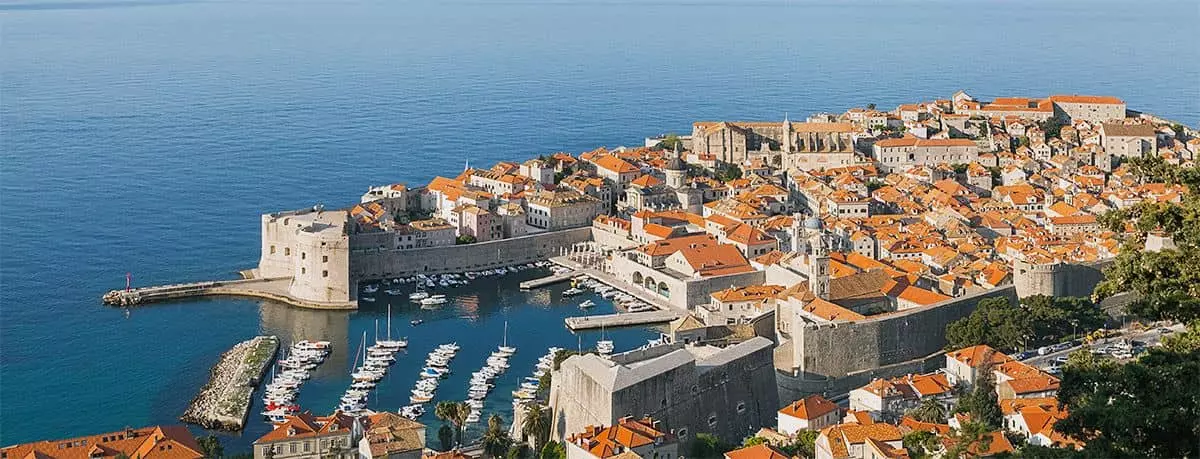
Travelling to Dubrovnik
Transport information regarding travelling to Dubrovnik, including ferry schedules and crossings, bus lines, train and air travel
Dubrovnik is easiest to reach by plane (DBV airport) or bus (Croatia-wide and international routes). The ferry port and main bus station sit side-by-side in Gruž, which makes island-hopping and coast-to-coast transfers straightforward. There is no train station in Dubrovnik, so rail journeys finish with a bus connection.
- Flying: Arrive at Dubrovnik Airport (DBV), then continue by airport shuttle, public bus or taxi to the city.
- Buses: Fast, frequent links from Split, Zagreb and other Croatian cities, plus international services in season.
- Ferries: Coastal routes and island connections from Dubrovnik Ferry Port (Gruž), plus seasonal Italy crossings.
- Driving: A scenic coastal trip, and you can now avoid border queues by using the Pelješac Bridge route.
- Train: No rail line reaches Dubrovnik; the closest station is Ploče and requires onward travel by bus.
Dubrovnik Ferry Routes and Timetables
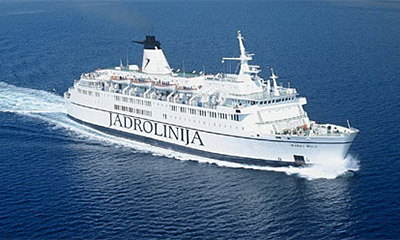
Dubrovnik Ferry Port is in Gruž (next to the main bus station). From here you can connect to nearby islands and the southern Dalmatian coast, plus seasonal international routes. Because schedules and operators change by month, always check the current timetable before you plan your day.
Discover all ferry connections linking Dubrovnik to various Croatian cities and stunning islands like the Elaphiti islands, Mljet, Korčula and Lastovo !
Operated primarily by Jadrolinija, TP-Line, and Kapetan Luka - Krilo, these ferry routes from Dubrovnik offer seamless connections to many popular destinations.
Check out the detailed ferry schedules from and to Dubrovnik
Dubrovnik Bus timetables and routes
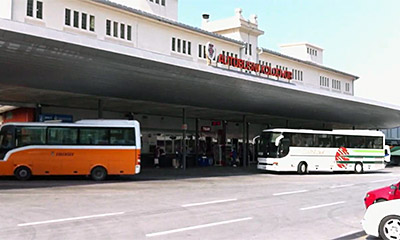
Dubrovnik’s main bus station (Gruž) is the hub for intercity and international arrivals, and it’s also the easiest interchange point if you’re combining bus travel with ferries. Once you’re in the city, local buses cover key areas including Old Town access points (Pile Gate), Lapad, Babin Kuk and Gruž.
Getting to Dubrovnik by bus is convenient from many places throughout Croatia. Expect a journey of approximately 9 hours from Zagreb by bus to reach Dubrovnik, while the route from Split takes around 4 hours. One-way ticket prices typically start at 25€ for Zagreb to Dubrovnik and 15€ for Split to Dubrovnik.
Once in Dubrovnik, navigating the town is easy, thanks to its public bus transport system. Buses operate from 6 am to midnight (or later depending on season), with frequencies of every 15 minutes to an hour, depending on the route. Most city busses stop at Pile gate, the entrance point to Old Town Dubrovnik.
Read more about intercity, suburban and city bus lines in Dubrovnik
Flying to Dubrovnik and Dubrovnik Airport
Flying to Dubrovnik is the fastest and easiest way to reach Dubrovnik. Dubrovnik Airport (DBV) is just 20 kilometres to the south and there is a regular shuttle bus service from and to Dubrovnik Airport.
Dubrovnik Airport (DBV) is the region’s main international gateway and sits around 30-35 minutes from the city in normal traffic (often longer in peak summer). The simplest transfer is the airport shuttle timed to flight arrivals, while public buses also operate on selected routes.
During the peak season, from April to October, Dubrovnik Airport welcomes flights from various European destinations including Frankfurt, Amsterdam, London, Stockholm, Vienna, Barcelona, Madrid, Berlin, Paris, Rome and more.
Read more about Flying to Dubrovnik and Dubrovnik Airport

What to do in Dubrovnik
Whether you are in Dubrovnik for one day or a full week, you can pack a lot in without feeling rushed. Start with the Old Town icons - the City Walls, Stradun and cliffside forts - then add sea time and a simple escape beyond the gates. If you have extra days, Dubrovnik is also the perfect base for day trips to islands, national parks and nearby coastal towns.
For a classic first visit, focus on the Old Town essentials (City Walls, Stradun, forts and viewpoints), then balance it with sea time - a beach or swim spot, a short boat trip to a nearby island, and one signature activity like sea kayaking or the cable car.
If you only do one paid attraction, make it the Dubrovnik City Walls - the views over the Old Town and Adriatic are the reason Dubrovnik looks so unreal in photos. After that, build your days around a simple rhythm: explore early, swim or take a boat trip in the afternoon, then return for sunset and dinner when the city cools down.
Top things to do in Dubrovnik (first-timer checklist)
- Walk the Dubrovnik City Walls for the best panoramic views and fortifications - go early for cooler temperatures and fewer crowds.
- Stroll Stradun (Old Town’s main street) and get lost in the side lanes - the best moments are usually between the big landmarks.
- Visit Fort Lovrijenac for dramatic cliffside views and a classic Dubrovnik photo angle.
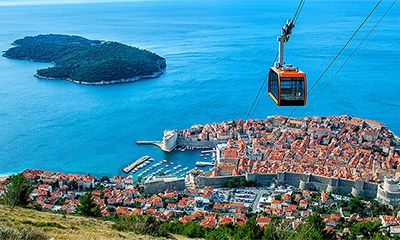
- Ride the cable car to Mount Srđ for sunset views over the islands and Old Town rooftops.
- Take a quick boat trip to Lokrum Island for nature, swimming coves and a half-day escape from the crowds.
- Swim at Banje Beach (close to the Old Town) or head to Lapad for an easier beach day and a seaside promenade.
- Sea kayaking around the walls for a water-level perspective of the city and nearby caves.
- Eat your way through Dubrovnik - seafood, local pasta dishes, and a sunset drink with views are a must.
- Do a Game of Thrones walk if you want context for filming spots and fort viewpoints (even if you are not a superfan). Game of Thrones filming locations
- Plan one day trip (Elafiti Islands, Mljet, Cavtat, Pelješac) if you have 3+ days in the area.
Uncover Dubrovnik’s must-see sights and lesser-known corners with our guide to the city’s top attractions. Discover Old Town landmarks like the Rector’s Palace, Sponza Palace and the Church of St. Blaise, then swap rooftops for views from the Dubrovnik Cable Car or a quick escape to nearby islands such as Lokrum, Lopud and Mljet.
When you are ready to go beyond sightseeing, Dubrovnik delivers on experiences - try sea kayaking beneath the walls, boat tours and island-hopping, food and wine tastings, or seasonal cultural events like the Dubrovnik Summer Festival.
Read more about the best things to do in Dubrovnik
Dubrovnik Old Town, City Walls and Dubrovnik Pass
If you are short on time, prioritize the Dubrovnik City Walls for the best views and the clearest sense of the city’s history. If you are staying longer and plan to visit multiple museums and use buses, the Dubrovnik Pass can be the easiest way to bundle sightseeing and transport.
How to plan the Dubrovnik City Walls walk
The City Walls are Dubrovnik’s signature experience - a full loop around the Old Town with nonstop views of rooftops, fortresses and the Adriatic. There is very little shade, so timing matters: go early for cooler temperatures and fewer people, or choose late afternoon for softer light and a more relaxed pace. Bring water, sun protection and shoes with grip (the stone can be slippery).
- How long it takes: plan roughly 1.5 to 2.5 hours depending on stops and crowds.
- Where to start: choose an entrance near Pile Gate or Ploče Gate based on where you are staying, then simply follow the one-way flow around the circuit.
- What the ticket includes: a City Walls ticket also covers Fort Lovrijenac.
- Opening days: the walls are open daily except Christmas Day, with seasonal hours and last entry at closing time.
For practical planning tips (best time to go, entrances, what to expect), see Dubrovnik City Walls.
Dubrovnik Pass - when it is worth it
The Dubrovnik Pass (often called the Dubrovnik Card) is designed to save time and simplify planning. It typically bundles City Walls entry, a selection of museums and galleries, and public transportation within the city. It is usually best value if you plan to do the City Walls plus at least a couple of included attractions, and you expect to use buses to move between Lapad, Babin Kuk, Gruž and the Old Town.
- Good value for: 2 to 3 day stays with multiple paid sights, or longer stays where you will use city buses often.
- Less useful for: a quick visit where you only plan to do one paid attraction and mainly walk everywhere.
For a clear breakdown of what is included and how to use it, see Dubrovnik Pass guide.
Best day trips from Dubrovnik
For the easiest island day, choose the Elafiti Islands. For a nature-focused escape, go to Island Mljet and its national park. For a relaxed coastal stroll and lunch by the harbour, pick Cavtat. If you want food and wine, head for the Pelješac peninsula and Ston. If you want a bigger "wow" day, consider Montenegro or Mostar (just plan around border timing).
| Day trip | Best for | Good to know |
|---|---|---|
| Elafiti Islands (Koločep, Lopud, Šipan) | Easy island hopping, beach time, low-effort escape | Local ferries run from Gruž - check schedules for your date |
| Mljet National Park | Nature, lakes, cycling, swimming, quiet coves | Fast passenger boats are seasonal - confirm timetables |
| Cavtat and Konavle | Harbour promenades, cafés, a calm half-day or full day | Simple without a tour - great when you want something easy |
| Peljesac and Ston | Wine tasting, oysters, scenic drives, food-focused day | Best with a car or small-group tour if you want tastings |
| Montenegro (Kotor Bay) | Dramatic scenery and Old Town atmosphere | Border queues can be unpredictable - start early |
Elafiti Islands - the easiest island day trip from Dubrovnik
The Elafiti Islands are the simplest way to swap crowds for beaches and pine shade. Lopud is the classic choice for a beach-focused day, while Koločep is great for short walks and swims, and Šipan is ideal if you want a quieter, more local island feel. You can go independently by local ferry from Gruž, or join a boat tour if you want an all-in plan with stops and timing handled for you.
Plan your departures with Dubrovnik ferry routes and timetables, then confirm final times with the operator for your date. For the main local line, see Jadrolinija Dubrovnik - Elaphiti line.
Mljet National Park - lakes, nature trails and a slower pace
If you want a true nature day, aim for Mljet National Park, it is one of the best resets from Dubrovnik. The park is known for its saltwater lakes, shaded paths, and swim spots that feel worlds away from the Old Town. It works best as a full-day trip, especially if you want time for a bike ride, a long swim, and a relaxed lunch.
Start with Mljet Island to choose the right approach (independent ferry vs tour), and double-check park updates on the official site: NP Mljet. For fast-boat planning from Dubrovnik, use Dubrovnik to Mljet by Catamaran.
Cavtat - the relaxed, no-stress day trip
For an easy day that still feels special, choose Cavtat. It is perfect when you want a gentle waterfront promenade, a swim, and a long lunch with harbour views. The simplest DIY option is suburban bus no. 10 - check stops and route coverage on the Dubrovnik suburban bus map. Cavtat also works brilliantly in shoulder season, when you want scenery without committing to a full island-logistics day.
Pelješac and Ston - wine and oysters with big views
If your ideal day trip is food and wine, head for the Pelješac peninsula and Ston. This route is all about tastings, scenic coastal viewpoints, and a seafood stop built around the region's famous oysters - and it is also one of Croatia’s best places to try powerful reds like Plavac Mali. It is an excellent self-drive day if you are comfortable with coastal roads, or a great small-group tour if you want tastings without planning the logistics.
Use this planner for options and combinations (often paired with Korčula and a stop in old-town Korčula): Best day trips from Dubrovnik. If you are considering adding the island, start here: Korčula travel guide.
Montenegro and Mostar - bigger days with border timing
If you want a high-impact day, Montenegro (Kotor Bay) delivers dramatic scenery and Old Town vibes, while Mostar is a great pick for history and architecture. These days can be amazing, but they are also the most sensitive to border queues in peak season, so start early, pack essentials (passport and any required documents), and consider a tour if you want timing and routing handled. For current options and tour combinations, see Best day trips from Dubrovnik.
Quick tips to choose the right day trip
- Want the easiest win? Choose the Elafiti Islands.
- Want nature and quiet? Choose Mljet National Park.
- Want calm and pretty with minimal planning? Choose Cavtat.
- Want food and wine? Choose Pelješac and Ston.
- Visiting in peak heat? Build your day around sea time and check Weather in Dubrovnik before you lock plans.
Where to stay in Dubrovnik
Dubrovnik offers a variety of accommodation options ranging from luxurious 5-star hotels and apartments to budget-friendly hostels and campsites. Keep in mind, though, that the closer you are to Dubrovnik Old Town, the heftier the price tag tends to be.
Stay in the Old Town if you want to walk everywhere and soak up the atmosphere (but expect steps and higher prices). Choose Ploče for views and a short walk to the City Walls, Lapad for beaches and an easy promenade, Babin Kuk for resort-style hotels, or Gruž for value, ferry access and simple logistics.
Best areas to stay (quick neighborhood guide)
- Old Town: unbeatable atmosphere and location, best for a short stay and early mornings - but expect stairs, noise in summer, and limited vehicle access.
- Ploče: close to the Old Town with great views and beach access - ideal if you want comfort without being in the middle of the crowds.
- Lapad: best for a balanced trip - beaches, restaurants, seaside walks, and easy bus connections to the Old Town.
- Babin Kuk: resort zone with larger hotels and beach clubs - great if you want facilities, pools and a "holiday" feel.
- Gruž: practical base near the ferry port and main bus station - good value and perfect if you are doing day trips and island hopping.
Hotels in Dubrovnik
If you want the widest choice of hotels and the easiest holiday logistics, start with Lapad and Babin Kuk - you will find everything from boutique stays to large resort-style properties, plus beaches and a simple bus ride into the Old Town. If waking up inside the walls is your top priority, move closer to the Old Town and choose the best location you can afford.
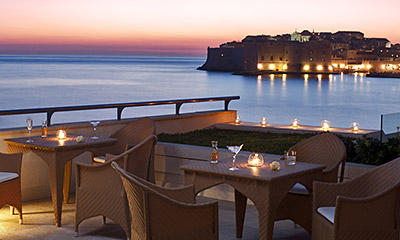
If you are aiming for a special-occasion stay, Dubrovnik’s luxury hotels lean into the setting - think sea-view terraces, sunset pools, and spa days built for recovery after wall walks and island trips. Many also focus on refined local dining, which is a great excuse to explore Croatian cuisine without even leaving the property.
All of these Dubrovnik hotels have been carefully selected based on their location, facilities, rooms, traveller ratings and dining options.
View our selection of hotels in Dubrovnik
Budget hotels in Dubrovnik
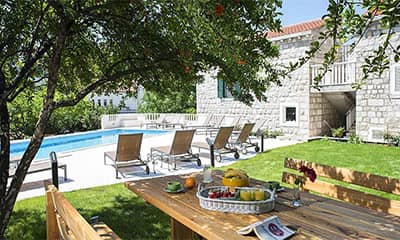
For travelers seeking a more intimate and authentic experience, Dubrovnik is home to smaller budget-friendly hotels, guesthouses and apartments that capture the charm and character of the city. These charming properties often feature more personalized service and a cozy ambiance that makes guests feel right at home.
For better value, look outside the Old Town walls - Gruž, Lapad and parts of Dubrovnik’s wider area often offer more space and easier logistics for a lower price.
We have selected several budget-friendly options that provide comfortable and convenient lodging without breaking the bank, allowing you to make the most of your stay in Dubrovnik without sacrificing quality or comfort.
View our selection of budget hotels in Dubrovnik
Quick booking tips (especially in summer)
- Choose location first: Old Town for atmosphere, Lapad for beaches, Gruž for ferries and logistics.
- Plan for stairs: Old Town and nearby hills have lots of steps - consider luggage and mobility.
- Book early for July and August: the best-value rooms go first.
- Consider parking: if you are driving, check with your hotel/host first, and if they do not offer parking use parking options in Dubrovnik to plan ahead.
Getting around Dubrovnik
Dubrovnik is a compact city that’s easiest to navigate by walking (especially inside the Old Town) and using local buses for anything beyond the walls (Lapad, Babin Kuk, Gruž, hotels and beaches). Taxis and ride-hailing are useful for short hops when you’re carrying luggage or avoiding the heat, while boats are ideal for quick island escapes.
Walking the Old Town
The Old Town is largely pedestrian and made for exploring on foot: polished stone streets, narrow lanes, and lots of steps once you leave Stradun. Wear shoes with grip (the limestone can be slippery, especially when wet), and plan your sightseeing early in the day in summer to avoid the hottest hours. If you’re arriving with luggage, aim for drop-off near the gates and walk in, vehicles cannot enter the Old Town itself, so most transfers stop close to Pile Gate or Ploče Gate.
Local buses (Libertas) for Lapad, Babin Kuk, Gruž and beyond
Dubrovnik’s city buses are run by Libertas and they’re the most practical way to move between hotel zones and the Old Town entrances. As a rule of thumb: if you’re staying in Lapad/Babin Kuk or arriving via the port/bus station in Gruž, a bus to the Old Town area is usually faster and cheaper than a taxi in peak traffic.
Tickets and passes include single rides and short-term passes (hourly, daily, multi-day). For the most useful, visitor-friendly overview of routes, key stops and how the system works, start with Dubrovnik city bus timetables, then check ticket details on the day at main stops or sales points (especially in peak season when options and payment methods can vary).
If you want a simple set-and-forget option for sightseeing days, the Dubrovnik Card is a popular bundle that can include public transportation alongside key attractions, which is handy if you plan to do the City Walls and museums within a short timeframe.
Taxis and ride-hailing (when it’s worth it)
Taxis are most useful for airport-style transfers, late-night returns, or moving between neighborhoods when you’re short on time. Ride-hailing can be convenient in high season when taxi ranks are busy Uber operates in Dubrovnik, but availability and surge pricing can vary at peak hours.
Tip: If you’re heading to the Old Town, ask for drop-off near Pile or Ploče (rather than “inside the Old Town”), and be prepared for short walks, especially if traffic restrictions are in effect around the historic center.
Boat taxis and harbour connections (Old Port & Gruž)
Dubrovnik has two key waterfront hubs: the Old Port (inside the walls) and Gruž (ferry/cruise port). Boat services are perfect for escaping crowds without committing to a full-day tour—especially for short hops to nearby islands. For a classic half-day outing, Lokrum is an easy ride from the Old Port (check seasonal times and ticketing before you go): Lokrum Island ferry and tips.
Cable car to Mount Srđ (best times for views)
The cable car is one of the quickest ways to get a panoramic overview of Dubrovnik and the islands. For the best light and fewer queues, aim for late afternoon or sunset (summer sells out quickly at the top viewpoint areas). Operating hours vary by month and the cable car typically closes for annual maintenance in late winter, so always check the timetable before you plan: Dubrovnik Cable Car timetable. You can also use: Dubrovnik Cable Car guide.
Accessibility notes (mobility, heat, strollers)
Dubrovnik is beautiful, but it’s not always easy: the Old Town has uneven stone, steps and steep lanes. If mobility is a concern, consider staying in flatter areas like Lapad/Gruž, using buses or taxis for transfers, and planning Old Town time in cooler morning/evening hours. Strollers work best on Stradun and wider streets; for everything else, a baby carrier is often simpler.
Beaches and swimming spots near Dubrovnik
For a quick dip with Old Town views, go for Banje beach or the quieter Sveti Jakov beach. For an easy beach day with promenades, shade and facilities, choose Lapad Bay or Babin Kuk. If you want a true escape, take a boat to Lokrum for rocky coves or to Lopud for one of the closest sandy beaches.
Old Town and nearby swimming spots (best views)
If you want to swim without leaving the historic center, the easiest option is Banje Beach, famous for its postcard views of the Old Town and Lokrum Island. For a calmer vibe with a stunning panorama back toward the walls, locals often prefer Sveti Jakov (expect steps). You will also find smaller, more low-key swim spots close to the walls where you can jump in for a quick refresh between sightseeing loops.
- Best time to go: early morning or late afternoon for cooler temperatures and fewer people.
- Good to know: most city beaches are pebbly or rocky - bring swim shoes if you have them.
Lapad and Babin Kuk (most convenient beach day)
For the easiest beach logistics (flat promenades, cafés and shade), base yourself around Lapad Bay, where Sunset Beach is the main hub. If you want more space and resort-style facilities, Babin Kuk has several popular swimming areas, including Copacabana and beaches in front of larger hotels. These areas are ideal if you are staying in Lapad/Babin Kuk or travelling with kids and want straightforward access, rentals and places to eat nearby.
Island beaches and sea escapes (best reset from the crowds)
When the Old Town feels busy, islands are the fastest way to change the pace. For a quick half-day adventure close to the city, take a short boat ride to Lokrum Island for rocky coves and swim spots. If you want sand, head to Lopud - its famous Šunj Beach is one of the closest sandy options near Dubrovnik.
What to bring for Dubrovnik beaches
- Swim shoes: helpful on pebbles, rocky entries and concrete sunbathing areas.
- Sun protection: hat, sunglasses and high-SPF sunscreen - shade can be limited near the water.
- Water and a snack: especially for quieter coves where facilities are minimal.
- Light towel or mat: useful if you are sunbathing on stone or concrete platforms.
Where to eat and drink in Dubrovnik
For the most atmosphere, eat inside the Old Town (and book ahead in summer). For better value and a more local pace, look to Lapad and Gruž. Whatever you choose, Dubrovnik is at its best when you keep it simple - fresh Adriatic seafood, a glass of local wine, and a sunset table when the heat drops.
What to try in Dubrovnik (local classics)
- Crni rižot (black risotto) - rich seafood risotto coloured with cuttlefish ink.
- Škampi na buzaru - prawns in a garlicky, wine-based sauce.
- Fresh grilled fish - often priced by weight, ask before ordering.
- Zelena menestra - a traditional Dubrovnik and Konavle winter specialty (greens, cabbage and smoked meats).
- Rožata - Dubrovnik-style crème caramel dessert.
If you want a deeper dive into regional dishes and food culture, browse Croatian cuisine.
Where to eat - Old Town vs Lapad vs Gruž
- Old Town: unbeatable atmosphere and close to major sights. Best for a special dinner, early lunches, and evenings after sunset. Book ahead in peak season.
- Lapad: easier, beachy dining with promenades and plenty of casual options - great for families and relaxed evenings.
- Gruž: practical and often better value, especially if you are arriving by ferry or staying nearby. Ideal for no-fuss meals between day trips.
For curated ideas and a broad list of options by area, see Dubrovnik restaurants.
Reservations, pricing and common tourist traps
- Reserve in summer: the best tables in the Old Town often go early, especially for sunset hours.
- Ask about fish pricing: some seafood is priced by kilogram or per 100g - confirm the price before you order.
- Check the bill: look for any listed service charge, then tip accordingly.
- Choose timing smart: eat earlier for better availability, or later for cooler weather and a more relaxed vibe.
Tipping and paying (quick etiquette)
Tipping in Croatia is usually modest compared to some countries. Many people round up the bill or leave around 5 to 10% for good service, and more in higher-end places. Official guidance also notes that service is typically not added as a separate fee, so check your receipt and tip based on your experience: tipping in Croatia.
What to drink (local wines worth trying)
Alongside classic Dalmatian whites and coastal reds, look out for Malvasija Dubrovačka, a revived local white grape from the Dubrovnik region and nearby Konavle. It is a great match for seafood and lighter meals: Dubrovnik Malvasia. For a richer red, Pelješac is famous for powerful Plavac Mali styles.
Bars and nightlife in Dubrovnik
Dubrovnik nightlife is more about atmosphere than big clubs - sunset bars with views, wine bars in the Old Town, and lively terraces in summer. For a classic evening, start with a drink near the walls, wander Stradun after dark, then choose either a relaxed cocktail spot or a late-night venue depending on your energy.
Sunset bars and wine bars (best vibes)
Dubrovnik’s best nights often start with the view. Aim for a sunset drink with a panorama of rooftops and the Adriatic, then drift into the Old Town for wine bars and relaxed terraces. If you are visiting in peak season, go early to secure a good table - the best spots fill quickly.
Late-night spots (what to expect in peak season)
In July and August the city stays lively late, especially around the Old Town. Expect a mix of cocktail bars, terrace venues and occasional club nights rather than a single nightlife district. If you want a bigger night, look for venues with DJs and late licenses, but keep in mind that the Old Town is compact and many people simply bar-hop on foot. For a curated overview of popular venues and areas, see Dubrovnik bars and clubs.
Quiet evenings (live music, promenades and viewpoints)
If you prefer a calmer night, Dubrovnik is perfect for it - a slow walk along the walls area, a seaside promenade in Lapad, or a viewpoint stop before dinner. In summer, cultural events also add atmosphere, and the Dubrovnik Summer Festival is the big one to plan around if you want open-air performances and a more local feel.
For more nightlife ideas and bar-hopping inspiration, see Dubrovnik bars and nightlife.
Best time to visit Dubrovnik
For the best balance of weather, prices and manageable crowds, aim for May to early June or mid-September to October. July and August bring the hottest days and the biggest crowds, while winter is quieter and great for a relaxed city break (with some seasonal closures). Before you lock dates, check typical temperatures, rainfall and sea conditions in Weather in Dubrovnik so you can plan smarter - especially if you are visiting with kids, hiking to viewpoints, or booking island trips.
| Season | What it feels like | Best for |
|---|---|---|
| Spring (Apr to Jun) | Mild, bright days and comfortable walking weather | Sightseeing, City Walls, cable car views, early boat days |
| Peak summer (Jul to Aug) | Hot, busy, and high energy | Swimming, island-hopping, festivals, long evenings |
| Autumn (Sep to Oct) | Warm days, fewer crowds, sea often still pleasant | Best overall value, swimming + sightseeing combo, day trips |
| Winter (Nov to Mar) | Cooler, wetter, very quiet | Old Town at its calmest, lower rates, local vibe |
Spring and early summer (shoulder season advantages)
Spring is ideal if you want to explore the Old Town without peak-season heat. Days are comfortable for walking the City Walls and hopping between viewpoints, and you will find it easier to book restaurants, tours and hotels. If you are planning lots of outdoor time, late April through June is a strong pick, especially for first-time visitors who want to see the highlights at a relaxed pace.
Tip: If you want the best photos (and the calmest Stradun), start early, then take a long lunch break and return for golden hour.
Peak summer (heat, crowds, cruise traffic)
July and August are the most popular months, with the hottest temperatures and the busiest Old Town streets. This is also peak season for boat trips and island days, and it is when Dubrovnik’s cultural calendar is at its strongest. The Dubrovnik Summer Festival typically runs from mid-July to late August, so book accommodation well ahead if you want festival dates.
How to make summer easier: explore the Old Town early, escape to the sea in the afternoon (Lapad and Babin Kuk are perfect for this), then return in the evening when temperatures drop and the city feels more spacious.
Autumn (sea still warm, fewer crowds)
September and October often deliver the best all-round experience: warm days, fewer crowds than high summer, and excellent conditions for combining sightseeing with swimming and day trips. It is also a great time for food and wine plans in the wider region (including the Pelješac peninsula) without the midsummer rush.
Winter (quiet city, limited tours, what is still open)
Winter is the calmest time to visit. The Old Town feels local, prices are usually lower, and you can enjoy museums, cafés and scenic walks without the summer intensity. The trade-off is that some tours, boat connections and seasonal attractions run reduced hours or close for maintenance - for example, the Dubrovnik Cable Car is typically closed in January, February and March.
Dubrovnik itineraries (1-5 days)
With 1 day, stick to the Old Town highlights and one viewpoint. With 2-3 days, add beaches and Lokrum or an Elafiti boat day. With 4-5 days, you can comfortably include Mljet National Park or Pelješac and Ston. The winning formula is always the same - do the Old Town early, escape to the sea in the afternoon, then return for sunset and dinner.
1 day in Dubrovnik (quick visit plan)
- Morning: Walk the Old Town early, then do the Dubrovnik City Walls before it gets hot.
- Lunch: Eat inside the Old Town, then take a slow Stradun stroll and choose one museum or church.
- Afternoon: Swim at Banje Beach or take the boat to Lokrum.
- Sunset: Ride the Dubrovnik Cable Car for the viewpoint, then head back for dinner.
2-3 days in Dubrovnik (classic first-timer plan)
- Day 1: Old Town icons, City Walls, forts and a sunset viewpoint.
- Day 2: Beach and promenade day in Lapad or Babin Kuk, plus a signature activity like sea kayaking in Dubrovnik.
- Day 3 (optional): Island day - either Elafiti Islands or a calm escape to Cavtat.
4-5 days (add one bigger day trip)
- Pick one full-day nature trip: Mljet National Park is the best choice for lakes, swimming and a slower pace.
- Or go food and wine: Pelješac and Ston for tastings and oysters, often paired with Korčula.
- Keep one flexible day: repeat your favourite swim spot, do a long lunch, and explore quieter corners of the Old Town.
Common planning mistakes (and how to avoid them)
- Doing the walls at midday: go early or late for comfort and better photos.
- Overpacking day trips: choose one island day and one inland or food day, not everything at once.
- Ignoring heat and swim time: schedule a daily swim break and check Weather in Dubrovnik before you finalise plans.
- Underestimating stairs: Dubrovnik is beautiful but steep - plan footwear and luggage accordingly.
If you want ready-made tour options and combinations for island and cross-border days, use Best day trips from Dubrovnik.
Practical tips (money, safety, etiquette, packing)
Dubrovnik is safe and easy to navigate, but it is busy and expensive in peak summer. Plan for heat and stairs, book key experiences early, and keep your days simple, Old Town in the morning, sea time in the afternoon, and dinner after sunset.
Costs and budgeting (what is pricey, where to save)
- Most expensive: Old Town accommodation, peak-season tours, and dinner in the busiest squares.
- Better value: staying in Lapad or Gruž, eating one or two streets back from the main promenade, and using buses instead of taxis.
- Smart spend: choose one "signature" paid experience (City Walls or a boat day), then balance with free walks and swim time.
Cash vs card, ATMs, tipping
Cards are widely accepted, but it is still useful to carry a little cash for small purchases and kiosks. For practical planning around money, exchange and everyday payments, see currency in Croatia. For tipping, most visitors round up or leave around 5-10% for good service, depending on the type of place.
Safety and common scams (evergreen)
- Pickpocketing: rare but possible in crowds - keep valuables secure in peak season.
- Taxi pricing: confirm the fare approach before you ride, especially on busy nights.
- ATMs: use bank ATMs where possible and check fees before you withdraw.
- Heat-related issues: dehydration is the most common problem in summer - carry water and take breaks.
To reduce travel headaches, especially in peak heat and on day trips, use stay healthy in Croatia for simple, practical guidance.
Dress codes and respectful Old Town behaviour
- Churches: carry a light layer if you plan to visit religious sites, especially in summer.
- Noise: the Old Town is residential - keep late-night noise down in alleys and near apartments.
- Walls etiquette: it is a one-way walk in sections, so move with the flow and stop in wider areas for photos.
What to pack (heat, stairs, shoulder seasons)
- Comfortable shoes: for stone streets and steps - grip matters.
- Sun protection: hat, sunglasses and high-SPF sunscreen.
- Swim shoes: helpful on pebbles and rocky entries.
- Light layers: evenings can feel cooler outside peak summer, especially on the water.
- Refillable water bottle: essential in summer for wall walks and day trips.
Plan around weather and peak crowds
Dubrovnik’s comfort level changes a lot by month - heat, humidity, sea conditions and rainfall can all affect your plans. Before you book tours or day trips, check typical conditions in Weather in Dubrovnik and aim to schedule the most physically demanding sightseeing (like the City Walls) during cooler hours.
Dubrovnik FAQ
Most visitors focus on where to stay, how long to spend, the best time to go, and whether the City Walls and Dubrovnik Pass are worth it. Here are the most useful quick answers for planning.
Is Dubrovnik worth visiting?
Yes - Dubrovnik is one of the most visually striking historic cities on the Adriatic, with a UNESCO-listed Old Town, dramatic fortifications, and easy access to islands and day trips. It is busiest in summer, so shoulder season is often the most enjoyable.
How many days do you need in Dubrovnik?
2 to 3 days is ideal for first-timers (Old Town, City Walls, one beach day, and one short boat trip). If you want to add Mljet National Park, Pelješac and Ston, or Montenegro, aim for 4 to 5 days.
What is the best time to visit Dubrovnik?
May to early June and mid-September to October usually offer the best mix of warm weather and fewer crowds. For month-by-month conditions, check Weather in Dubrovnik.
Do you need to book the Dubrovnik City Walls in advance?
In peak summer, buying in advance can save time and reduce queueing, especially if you want to start early. For planning tips and what to expect, use Dubrovnik City Walls, and for official info and tickets use City Walls Dubrovnik.
Is the Dubrovnik Pass (Dubrovnik Card) worth it?
It can be, especially if you plan to do the City Walls plus a few museums and use buses during your stay. For a practical breakdown, see Dubrovnik Card guide, and confirm current inclusions and prices on the Dubrovnik Pass official website.
Is Dubrovnik expensive?
It is one of Croatia’s pricier destinations, especially in July and August. You can save by staying in Lapad or Gruž, eating outside the busiest Old Town streets, and using buses for transport.
Can you visit Dubrovnik without a car?
Yes - Dubrovnik is easy without a car. Most visitors arrive by plane or bus, walk the Old Town on foot, and use local buses to reach Lapad, Babin Kuk and Gruž. For routes and practical stops, use Dubrovnik city bus timetables.
Does Dubrovnik have a train station?
No - there is no train station in Dubrovnik. If you arrive in Croatia by rail, plan to finish by bus or connect via another transport hub.
What are the best beaches in Dubrovnik?
For a quick swim near the Old Town, try Banje Beach or Sveti Jakov. For an easy beach day with promenades, Lapad is a top choice, while Babin Kuk has resort-style swimming spots like Copacabana Beach.
What are the best day trips from Dubrovnik?
Top choices include the Elafiti Islands, Mljet National Park, and Cavtat. For more options (including Montenegro and Mostar), see Best day trips from Dubrovnik.
Is Dubrovnik safe?
Yes - Dubrovnik is generally very safe, including at night. The main issues are summer crowds, heat, and occasional petty theft in busy areas. For practical wellbeing tips for Croatia in general, see stay healthy in Croatia.
Dubrovnik traditionally traces its origins to the early 7th century. According to the long-established foundation story, refugees from Roman Epidaurum, near present-day Cavtat, settled on the rocky site known as Laus after Epidaurum was devastated during the upheavals that followed the arrival of Slavic and Avar groups in the region.
Modern archaeological research suggests that Dubrovnik's earliest development was probably more complex than a single founding event or exact date. The traditional story remains an important part of the city's historical identity, but the archaeology of late-antique and early-medieval Dubrovnik continues to refine our understanding of how the settlement developed.
- Details
- Written by: Orsat Munitic
- Category: Dubrovnik Travel Guide
Dubrovnik reached the height of its economic, maritime and cultural power during the 15th and 16th centuries. This period is remembered as the Golden Age of the Republic of Dubrovnik, when a small Adriatic state built an international trading network, maintained its political autonomy between much larger powers and became an important centre of Renaissance culture.
The Republic's success did not come from military conquest. It depended on maritime trade, shipbuilding, diplomacy, carefully negotiated commercial privileges and political neutrality at a time when Venice sought dominance of the Adriatic and the Ottoman Empire was expanding through the Balkans.
- Details
- Written by: Orsat Munitic
- Category: Dubrovnik Travel Guide
Maritime trade was one of the foundations of the Republic of Dubrovnik. For centuries, Dubrovnik's merchants, shipowners, captains and shipbuilders connected the Adriatic and Mediterranean with markets deep inside the Balkan hinterland, helping a very small republic become an influential commercial power.
The Republic did not rely on ships alone. Its maritime success was supported by commercial law, shipbuilding, customs administration, finance, insurance, consuls abroad and carefully managed diplomacy. By the 15th and 16th centuries, this system had developed into one of the most sophisticated merchant networks in the Adriatic.
- Details
- Written by: Orsat Munitic
- Category: Dubrovnik Travel Guide
During the Middle Ages, cities and states often placed themselves under the protection of a patron saint. Churches were built in their honour, their images appeared on public buildings and state symbols, and communities turned to them during war, disease and other periods of crisis.
- Details
- Written by: Orsat Munitic
- Category: Dubrovnik Travel Guide
For centuries, the Republic of Dubrovnik preserved its independence through diplomacy rather than military power. It survived sieges, plague, earthquakes, maritime rivalry and pressure from much larger states. That system finally broke down during the Napoleonic Wars, when Dubrovnik was trapped between France and Russia and could no longer maintain the neutrality that had protected it for generations.
The decisive events unfolded between 1806 and 1808: French troops entered Dubrovnik on 27 May 1806, foreign armies fought across the Republic’s territory, and on 31 January 1808 General Auguste de Marmont formally abolished the Republic.
- Details
- Written by: Orsat Munitic
- Category: Dubrovnik Travel Guide